
Yes, many people in the military get ordinary weekends off. But no, Saturday and Sunday are not guaranteed days off. How often you work a weekend depends far more on your job, unit, and current mission than on a simple Army-versus-Air-Force comparison.
Some service members go home Friday afternoon and return Monday morning for weeks at a time. Others work rotating shifts, stand watch, or spend a weekend in the field. On a ship underway or during a deployment, the idea of a normal weekend can disappear altogether.
Here is what that looks like in real life—and what you should ask before joining.
1. Do you normally get weekends off?
If you work in a regular shore-based or office-style assignment, weekends may be free most of the time. Think of a service member handling administration, some maintenance jobs, personnel work, or a daytime support position at an installation.
They might follow a Monday-through-Friday schedule, finish the week's work, and spend the weekend with friends or family. That is a realistic version of military life—not a recruiting fantasy.
But the unit can still schedule additional duties, training, inspections, or other requirements. Being off this Saturday does not create a promise about next Saturday.
For a sense of an ordinary workday, read What Is a Normal Day in the Military Actually Like?
2. When do you have to work weekends?
There are several reasons you might be working when civilians around you are relaxing.
Duty, guard, and watch rotations
Bases, ships, equipment, facilities, and operations still need people after everyone else goes home. Commands assign personnel to things such as gate security, communications, overnight duty desks, or shipboard watches.
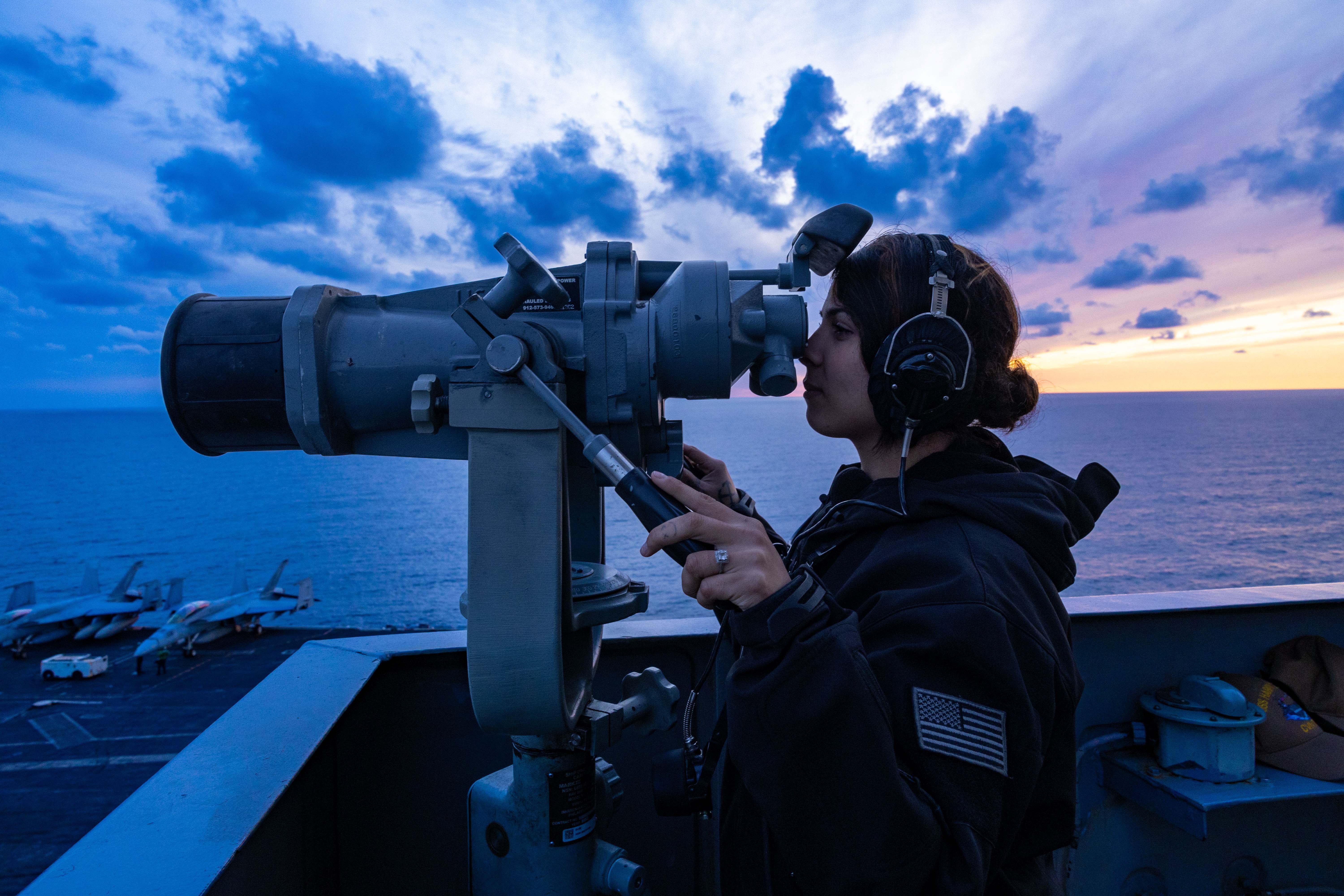
In Navy operations, watch stations can be staffed around the clock. A sailor does not stop being scheduled because the calendar says Sunday. The Navy describes this continuous watch system in its official reporting; the link is supporting evidence, not a substitute for the unit's current schedule.
Field exercises and extended training
A training event may start on Tuesday and run through the following Monday. During field training, inspections, or a major exercise, people can work right through both weekend days. The schedule is tied to the event, not the civilian calendar.
Shift-based jobs
Military police, security forces, medical teams, emergency responders, and some operations and technical units may use shift rotations. You might work Saturday but have Tuesday off, or have a stretch of night shifts followed by scheduled rest.
Deployment and shipboard operations
A deployment changes the calculation. The mission continues every day. That does not necessarily mean everyone performs the same job 24 hours a day; watches, work assignments, rest periods, and operational tempos vary. It does mean you should not count on normal weekends.
3. How does it change by job and branch?
A branch can influence the type of work you encounter, but no branch can promise all its members free weekends. Your occupation and actual assignment often tell you more.
| Type of assignment | What weekends may look like |
|---|---|
| Daytime administrative or support office | Many weekends off, with occasional additional duty or training. |
| Security, law enforcement, medical, or 24-hour operations | Rotating shifts; weekends and holidays can be normal workdays. |
| Shipboard assignment | Watch rotations in port and at sea; underway schedules may run every day. |
| Combat arms or field-focused unit | Home-station weekends may be free; field exercises can span weekends. |
| Basic training and initial job school | Structured training and limited freedom; rules change as training progresses. |
| Guard or Reserve drilling unit | Scheduled drill weekends are often workdays, plus training and possible orders. |
These are common patterns, not official weekend quotas. A Navy shore billet may look like a weekday office job, while an Air Force security forces member may work overnight weekends. A Coast Guard crew may respond to emergencies on weekends, while someone in an Army office may have them free.
If you are considering part-time service, the familiar phrase “one weekend a month” is not a ceiling on your commitment. Training, activation, and other orders can add duty time. Our Guard and Reserve glossary entry explains the difference.
4. If you work Saturday, do you automatically get another day off?
Not automatically. Some commands build compensatory rest or an alternate day off into their schedules, particularly for shift rotations or extended duty. Others have different operational requirements.
Do not assume military weekend work works like a civilian job with overtime pay or a guaranteed Sunday-to-Monday swap. Ask your leadership how the actual duty rotation works and what rest is scheduled after a long watch or shift.
Also, a quiet weekend can turn into work if the mission changes. Military OneSource specifically notes that service members may be assigned unconventional hours, shift work, temporary duty, and training that interfere with family time.
5. Is a free weekend the same as military leave?
No. Regular time away from duty is different from chargeable leave. You can often spend a routine, authorized local weekend off without using vacation days. But permission to leave the local area and the rules for requesting an absence depend on the command.
Military members generally earn 30 days of paid leave per year, accrued at 2.5 days per month of qualifying service. An approved period of leave can include weekends, and trips beyond a command's permitted area may require leave even if they fall on Saturday or Sunday. Military OneSource explains the distinction and approval process.
For example, being off on Saturday does not necessarily authorize a last-minute flight several states away. You may still need permission or approved leave.
6. What should you ask before joining?
The useful question is not simply “Does the Army get weekends off?” It is “What does the schedule look like for this specific military job, in a typical unit?”
- Does this job usually run on weekdays, or does it use rotating shifts?
- How often are people in this unit assigned weekend duty or watch?
- How many weekends are usually affected by training events each year—and can that change?
- What happens after a 24-hour duty period or overnight shift?
- What are the local travel, leave, and recall rules?
- How does the schedule change in the field, underway, or on deployment?
Talk to people who actually perform the job, not just someone who describes the branch in general. Even then, remember that a future assignment may have a very different schedule.
Bottom line: You might get most weekends off for years, work several in a row during a busy training cycle, or have a job that treats Saturday like any other day. If reliable weekends are a major priority for you, make them part of your job research—not an assumption you discover was wrong after signing.
Military Explained is an independent educational publication. Schedules vary by assignment, command, and operational conditions. This guide was reviewed against publicly available official information on November 7, 2026.
Official sources & photo credits
- Military OneSource — Military marriage and unconventional work schedules ↗
- Military OneSource — Military leave and how it works (June 2026) ↗
- U.S. Navy — Watchstanders of USS Mobile ↗
- Military OneSource — Guard and Reserves overview ↗
- Defense Department — Original watch photograph and credit ↗
Photo credit: U.S. Navy photo by Petty Officer 3rd Class Logan Nystrand, November 27, 2024.